Since 1964, American automakers have duked it out to be king of the streets and have produced the most iconic vehicles to ever tear up the pavement and lay down rubber. But in the end, who’s the reigning champ? Do you base it on potent power plants like the 454 LS6 or 426 Hemi? What about vehicle sales? How about the last man standing?
Yes, the Chevrolet Camaro survived for 51 years before dying, returning and being killed off once more. Sure, the Dodge Challenger made a resurgence and a hell of a run for the last 16 years before getting the axe again. Sadly, the Dodge Charger returned as a souped-up sedan and as a failed electric muscle car option. But of all the battling brutes that have contested for the title of “king of the muscle cars”, well, only one has never tasted the sting of death. 62 years after its first production run, the Ford Mustang now stands as the last V8, manual transmission, tire-scorching American muscle car.
So if you’re looking for a machine to restomod that’s outsold all competitors and has stood the test of time with brutal power plants and drop-dead sexy looks, then look no further than the original Pony Car. So let’s kick off with what makes these cars great options for an overhaul and where they need some help so they can continue dominating on the streets and the strip.
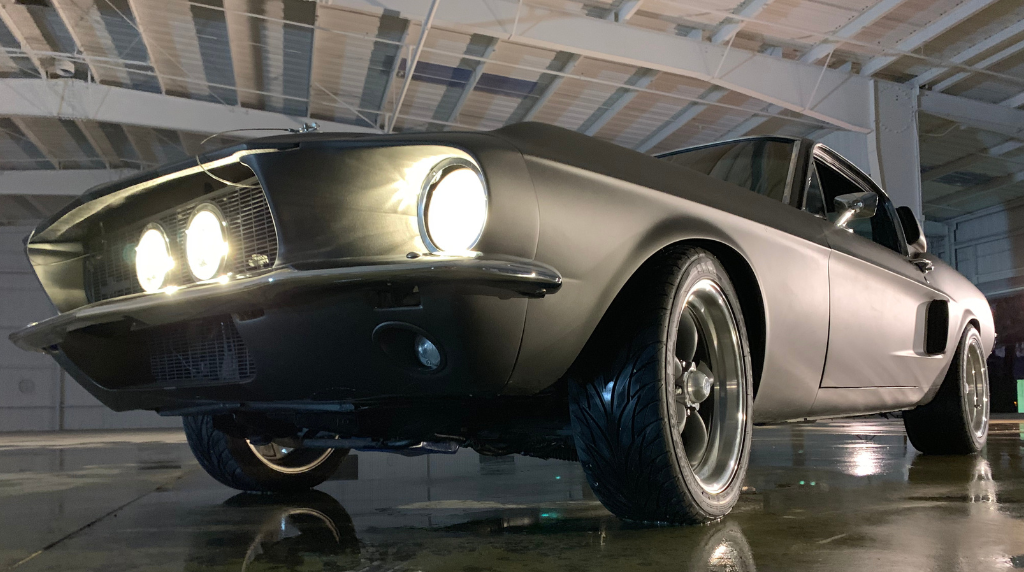
Gen 1: 1964.5 – 1973
Strengths:
- Massive Aftermarket: Because Ford sold 2.98 million units of the first gen Mustang, you’ve got a MASSIVE amount of support of in the aftermarket industry. Need fenders, a hood, or perhaps an entirely new body? And that’s before you drop in a modern Coyote or high-performance parts. All you need is a catalog, a pulse, and enough money in the bank to build your ride.
- Motor Swap Mania: Because of the aforementioned strength, the usable space in a Mustang engine bay can be packed with small blocks, big blocks, or Coyote V8 engines.
- Unmistakable Styling: Damn, does the Mustang have sex appeal or what! The fastback Mustang looks like it’ll stomp all over any competitor just standing still. The coupe is tough and looks like a lightweight champion bulging with muscles. Needless to say, being seen behind the wheel of a Gen 1 Mustang makes you nearly as cool as Steve McQueen.
Weakness:
- Shock Towers: Yes, there’s room for a modern V8, with a little massaging. The shock towers are tightly spaced around the engine bay and require modifications to fit a big block or Coyote.
- Uni-Body Flex: The factory front aprons and the unibody setup leave a lot to be desired in terms of strength. Known to crack or fracture under high loads, the Ford Mustang needs a suspension/body tune-up to give you a modern feel.
- Flawed steering and suspension: Recirculating ball steering, loose rag joints, and poor factory camber curves make steering feel sloppy and loose. The high tower shocks and leaf spring rear ends make you feel like you’re in a jacked-up truck at times, and usually when you’re unleashing some horsepower on the pavement.
- Drum brakes: Many 1st gen Mustangs came from the factory with the dreaded four-wheel drum brakes that are beyond sub-par in today’s modern world.
The Fix:
- Installing a Mustang II-style or modern hydroformed independent front suspension kit will make your Mustang handle like a dream. Shaving or notching the shock towers is mandatory if you plan on dropping in a Coyote to let your Ford howl at the moon!
- Luckily for us Ford fans, you have a plethora of choices when it comes to the heart of your pony. A 302 or 347 small block will give you all the power you’ll need in a lightweight car while keeping weight off the nose. Or go modern with a Gen 3 Coyote and never worry about a leaky rear seal or not starting up ever again.
- Weld in full-length subframe connectors to tie the front and rear frame rails together. Upgrade to a 4-wheel Wilwood or Baer disc brake setup paired with a power brake booster and a Ford 8.8-inch or 9-inch rear axle.
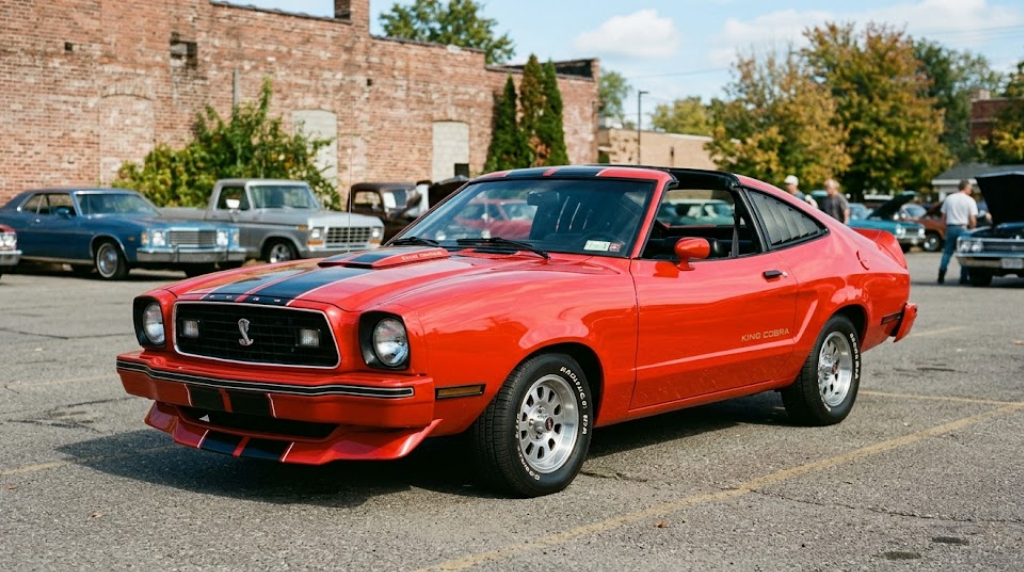
Gen 2: 1974 -1978
Strengths:
- Lightweight underdog: It’s true that this gen doesn’t get much love due to its not-so-muscular looks, and I’m not going to act like it deserves any awards for styling. The late seventies were a painful time for all automakers, and the Mustang suffered, yet the Pony car shrank significantly, nearly 500 lbs., to make it more lightweight.
- Extraordinary front suspension: The Mustang II front suspension is legendary; compact though awkwardly unequal A-arm length made it one of the greatest front ends ever built. In fact, the restomod industry has copied its core design for decades now.
- Rock bottom prices: Scooping up a running and driving Gen 2 Mustang won’t set you back, with running and driving models rarely reaching $20,000, with projects being far, far less.
Weakness:
- Asthmatic Pony car: The Mustang transformed into a sub-compact ride and removed all V8 engines from their lineup. By 1975, they reversed course and offered an emissions-controlled and choked-out 302 V8, restricting its power to a dismal 130 horsepower. But at least the V8 returned.
- Brittle plastic: The second gen was stuffed with cheap plastic interiors that are brittle and break, while the plastic exterior pieces didn’t fare much better. While the aftermarket industry has plenty of replaceable parts for these cars, it’s the beginning of a descent into low-quality manufacturing that plagued the late 70s.
- Low Impact Bumpers: Low impact bumpers, the massive and protruding 5mph bumpers front and rear, had a high impact on weight displacement and uglified the Mustang.
The Fix:
- Powertrain Rescue: Ditch that choked-out motor and drop in an upgraded 302 with modern fuel injection. If you want to maintain the sub-compact weight and have massive power output, consider dropping in a 2.3 EcoBoost with a big ol’ turbo and have a hell of a ride!
- Ditch the bumpers: Please, in the name of all that is holy, ditch those massive bumpers in favor of sleeker and lightweight bumpers. Smooth a set of fiberglass into place to create a clean and seamless design.
- Suspension Upgrade: Keep that front IFS baseline but upgrade to modern adjustable coilovers, firmer sway bars, and then beef up the rear axle. Consider an 8.8 rear end swap since the stock rear end was never meant to see any power over 200 horsepower and will blow out with your upgraded motor.
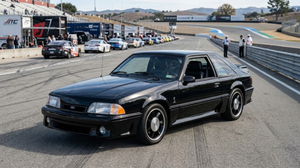
Gen 3: 1979 – 1993
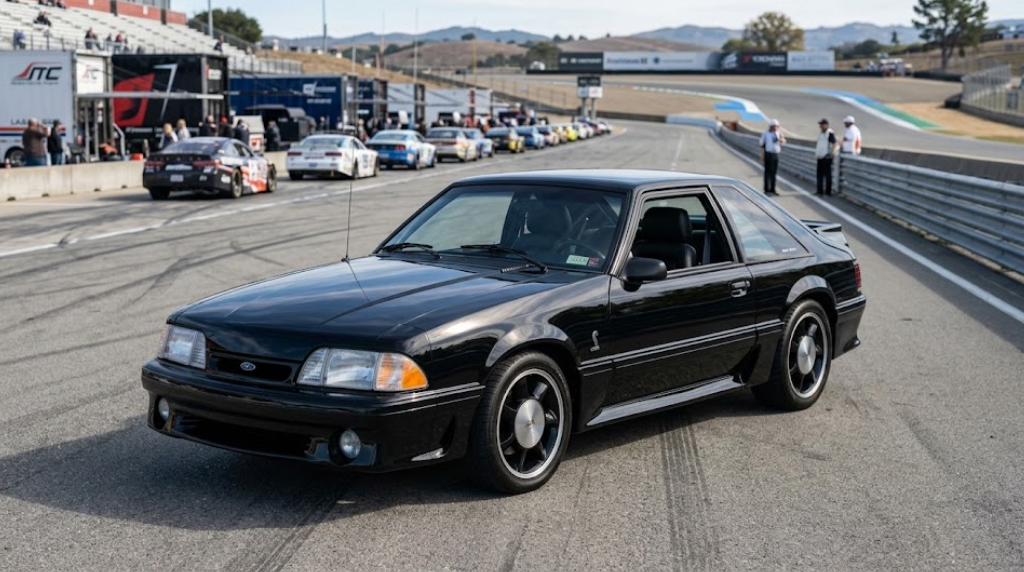
Strengths:
- Featherweight Unibody: After years of crying out for some type of performance, Ford listened and answered with an extremely light chassis weighing in under 3,000 lbs. Thus, they created one of the greatest power-to-weight ratio performance vehicles ever produced.
- Massive Racing Support: The “Foxbody” platform is already set to kick ass on the course or strip stock, but the aftermarket support is unmatched, taking your car to the next level without the insane prices of upgrading that earlier Mustangs suffer from.
- Iconic Wedge Styling: The square body Mustang is reaching iconic heights for millennials and Gen Z entering the market. This nostalgic status is driving desirability to new heights, which makes you the coolest guy around when you pull into the parking lot or up to the starting line.
Weakness:
- Infamous Fox Body Twist: High-horsepower applications and aggressive driving can cause severe uni-body flex, twisting door frames, cracking interior plastic, and failing rear torque boxes.
- Weak rear end: The Fox Bodies rolling with a 7.5” rear end are practically a ticking time bomb. They are fragile, to say the least, and will snap axle shafts and ring gears under high hard clutch dumps.
- Restrictive 4-lug and Drums: Subpar braking components and limited factory wheel options make every enthusiast seethe with rage.
The Fix:
- Chassis Rigidity: Weld in full-length subframe connectors first thing! Follow that up with reinforcing the rear upper and lower torque boxes, and install engine bay strut tower braces to lock in your Fox body.
- 5 Lug and Disc Brake Conversion: Swap to SN95 or SVO-style 5 Lug wheel spindles and hubs. Ditch those drum brakes for a set of rear disc brakes.
- Powertrain Upgrade: The Gen 3 Mustang has plenty of room for all your V8 needs. Drop in a modern Coyote, a 347 stroker, and back that up with a Tremec five- or six-speed transmission. Ditch the 7.5” rear end for an upgraded 8.8” rear end with 31-spline axles.
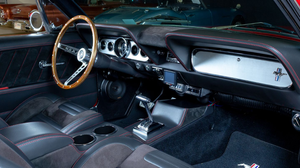
- Brittle Plastics: Ford used a cheap plastic interior; get rid of it. Install modern, supportive seats to hold you in place, add aftermarket gauges, a dash, and lay down a layer of soundproofing.
At the end of the day, finding yourself behind the wheel of a Blue Oval Pony car will bring a smile to your face. With a plethora of good looks, unbelievable aftermarket parts availability for bolt-on go-fast goodies, and high-performance V8 options, the Mustang is one of the greatest choices in a restomod upgrade for any performance enthusiast.