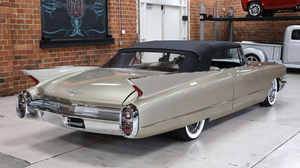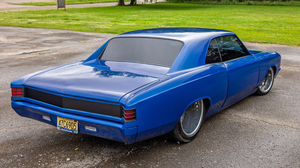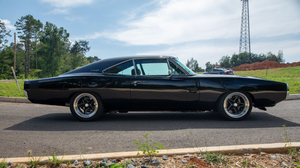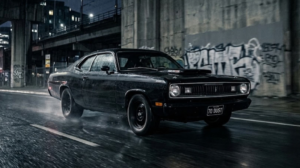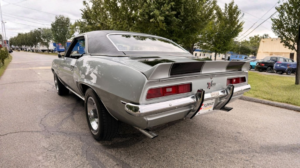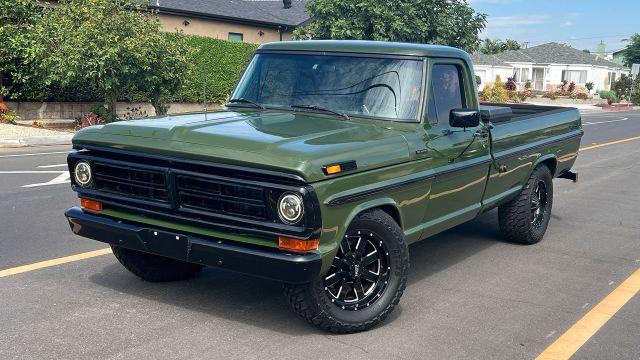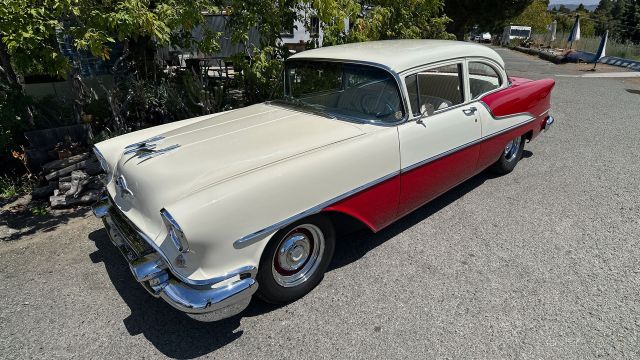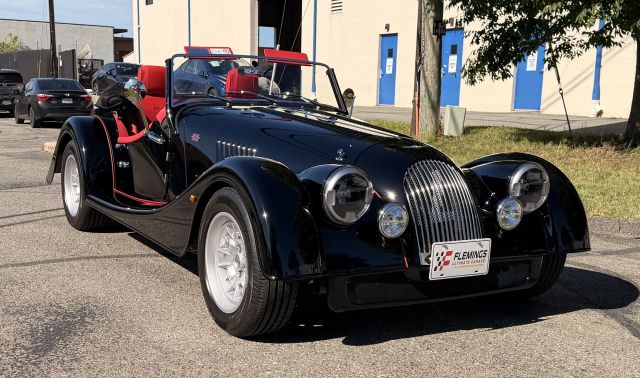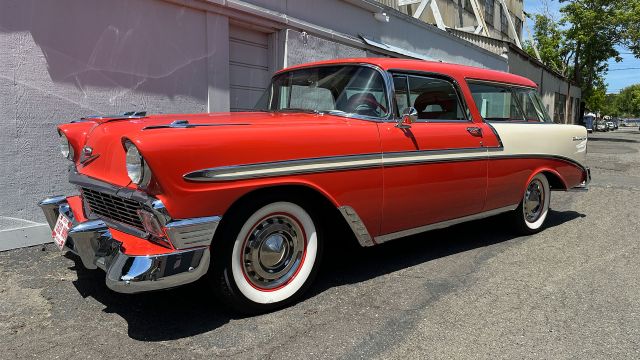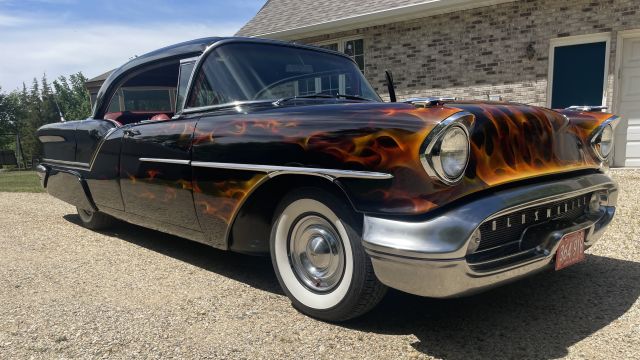
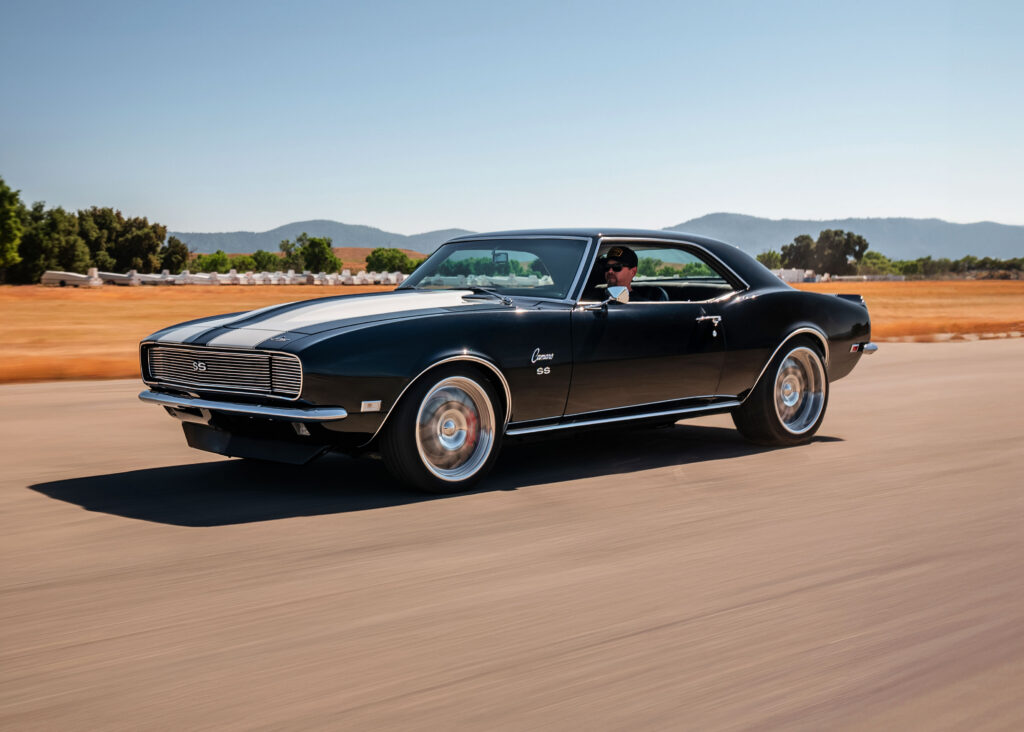
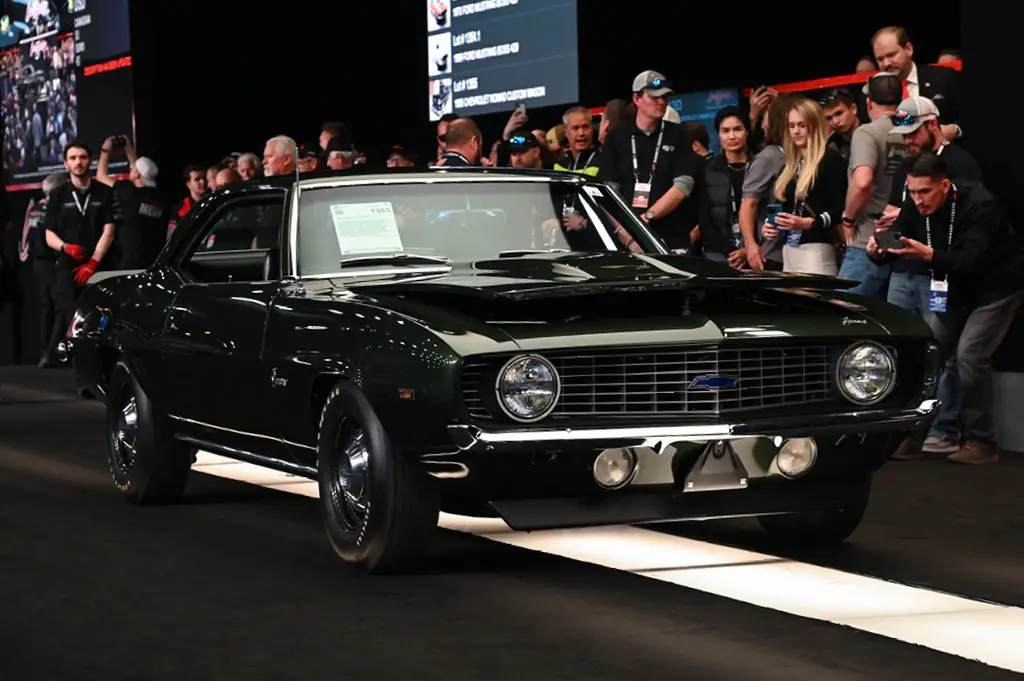
Classic cars, vendors, buyers, sellers, and gawkers filled the halls of the auction house. People climbed under vintage cars, inspecting every nut and bolt, which were displayed with as much pomp and strength as possible to set them apart. The buildings were full of laughter, excitement, and downright anxiety as buyers searched for the right car to cross the block and sellers prayed the right buyer might be in the seats that day. It was a gamble with more than just big money on the line; it was untold hours of work, care, and hard costs just to make it to the stage. It was the old way of doing things. And like a motor running low on oil, it was full of friction.
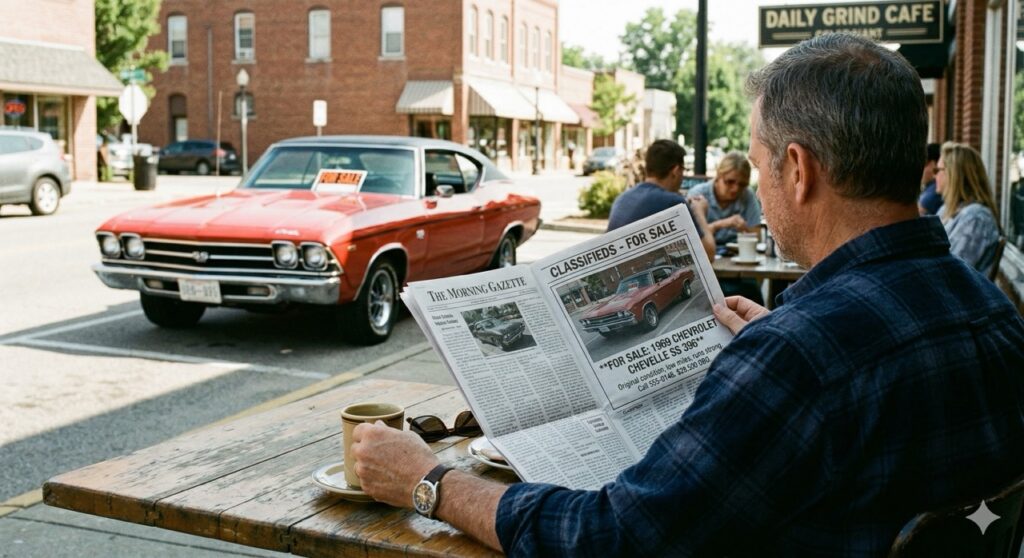
Options were few and far between. Yes, you could list your car in the classifieds of a newspaper, but that old crinkly paper is more likely to end up in a fire pit than to sell a car. Sure, you could list it on a free online marketplace, but then you enter the world of private sellers with murky pricing, limited or often unverifiable information, and, well, where trust was often… negotiable. Private sales often feel like a wild west show, where anything goes.
This is what makes auction houses so desirable for sellers and buyers alike. They offer a certain sense of security for both parties. But they are limited by geography, timing, and attendance. In every respect, there is a financial risk to be taken and limited staffing to assist you.
Now, before you think about signing off and chalking up the rise of online auctions to a new generation looking for “convenience”, let me tell you that you’re only partly correct. Convenience is a major factor, but something more important is putting the online auction on the map. Efficiency.
Online auctions have the viscosity to reduce friction and make our high-performance motor run like hell! Traditional systems suffered from many of the same problems. They’re slow, inconsistent, and often based on guesswork. Sellers may overprice, and buyers may hesitate. Deals tend to drag on—or may fall apart entirely. All this can end in lost time, money, and often severe frustration.
Online classic car auctions connect the right car with the right buyer instantly, regardless of location. Vehicles are fully vetted, requiring complete information and supporting documentation up front. This creates a more secure, trustworthy, and efficient experience for all parties.
Just as all industries felt a seismic shift once they went online, so did the classic car industry. Buyers in California could now purchase a car in Florida, and a bidder in Denmark could fill a container of classic cars to ship overseas with the push of a button. The market didn’t just change; it grew faster than ever before.
For those of you who didn’t sleep through Econ 101 (I’m guilty as charged), we all know:
- More buyers mean more competition.
- More competition means stronger prices.
- Stronger prices mean better outcomes for sellers—and a more accurate market value for buyers.
From growth comes opportunity. And from opportunity comes ingenuity. Your mainstays and industry staples saw their values increase, while niche cars found a larger audience. This type of change allows brands to go from obscurity to industry mainstays and bring a fresh perspective to the world, much like the restomod has altered car building forever. Performance and efficiency are the name of the game.
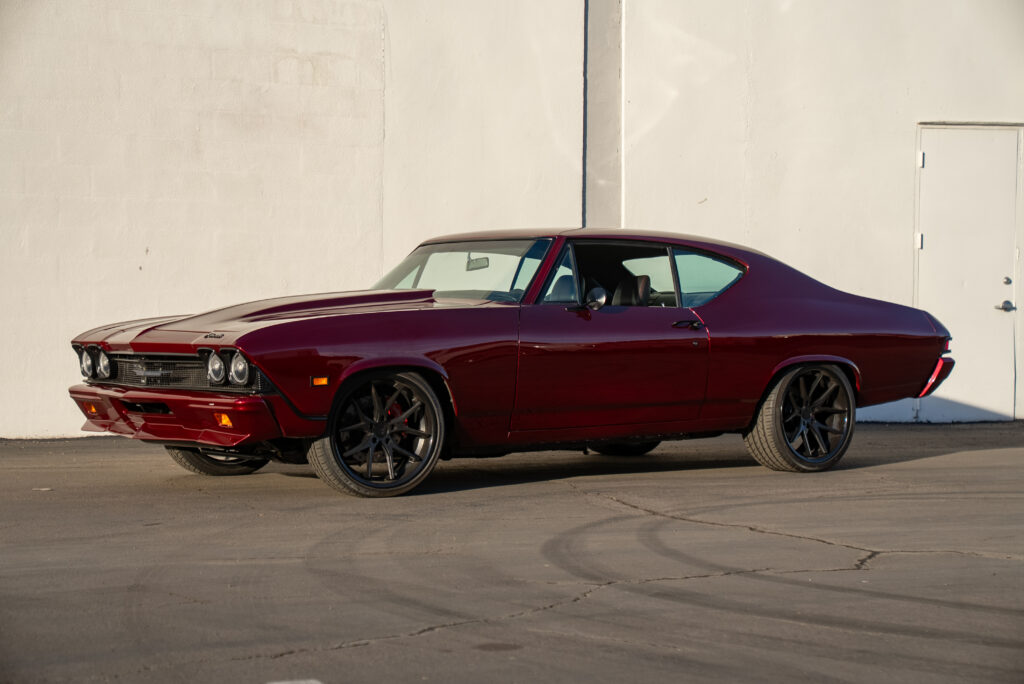
Let’s be honest, if you’ve bought or sold enough cars, you’re sure to have a horror story. Vague descriptions, poor photographs, and less-than-forthcoming sellers used to be able to manipulate the market. Cars filled with Bondo, hidden rust, and broken parts all led to broken hearts. Simply put, it could kill the fun of buying a new car.
Now, transparency is demanded, causing classic car auctions to uphold a higher standard. Detailed photographs and videos are expected. Well-documented history, comments, and messaging are the norm, not the exception. Why? Because everything is public. As buyers ask questions and sellers respond, other enthusiasts can weigh in.
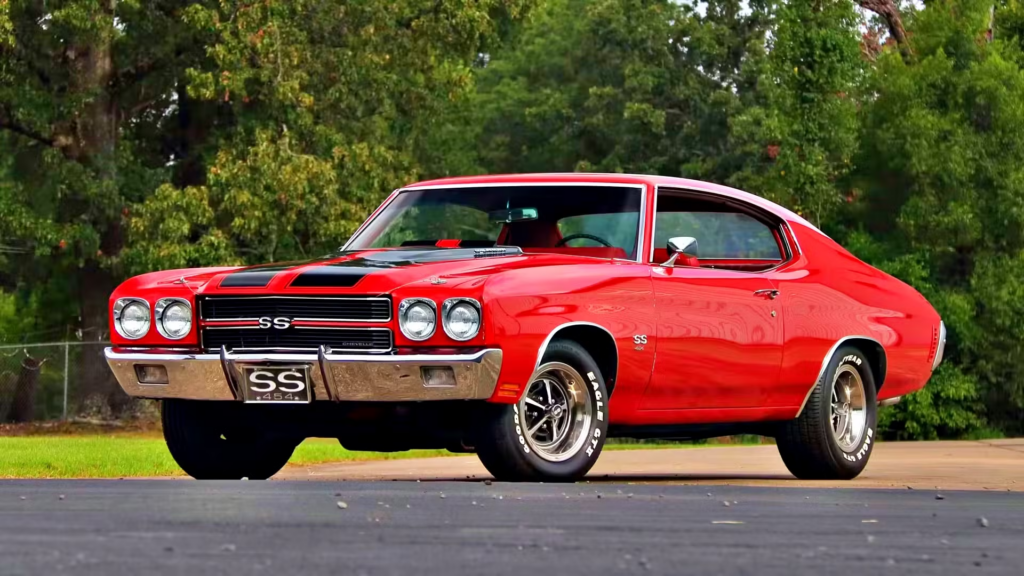
Picture yourself purchasing a pristine 1970 Chevrolet Chevelle. The buyer says it’s a “true SS”! Wow, what a find! So you go and look the car over. It has the correct SS dash, the rubber rear bumper pad and all the right badging. Everything from the chrome Muncie shifter to the SS wheels looks correct. But before you lay the money down, you know to call that one friend who knows everything about the Chevelle. And he drops this bomb on you… “There’s no way to verify if a ‘70 Chevelle is a true Super Sport without looking at the build sheet. The VIN won’t tell you.” So you request the build sheet, and to your dismay, you realise she’s a clone.
Having that friend you can call up is exactly like having an open forum where other hotrodders have the ability to weigh in and share their advice, tips and knowledge. This provides buyers with the ability to make the best choice.
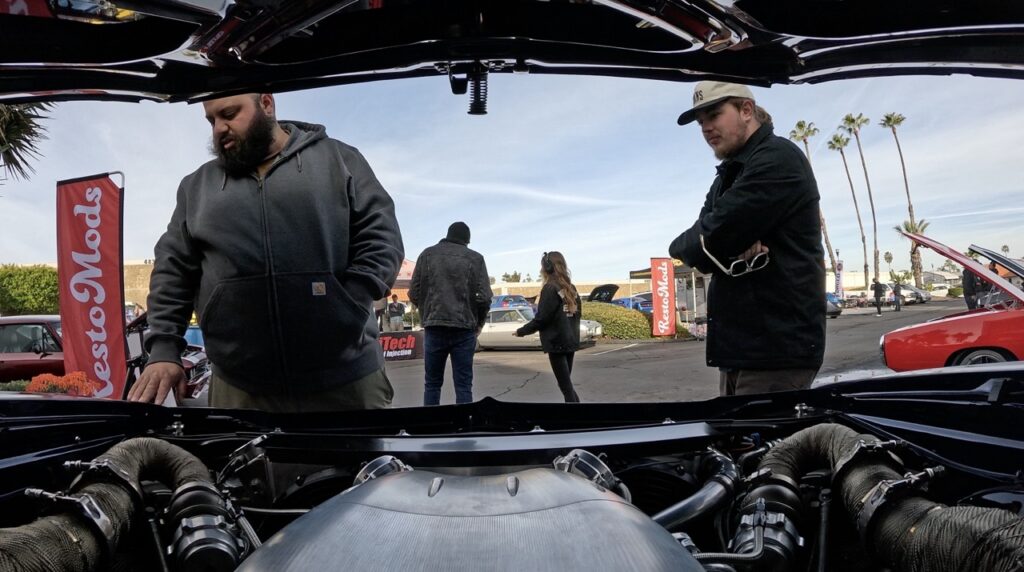
Transparency is no longer limited to the vehicle’s quality or history; it’s now a critical part of fair pricing. The private marketplace is riddled with ridiculous pricing, with the only reasoning being, “I know what I got.” Sure, buyers know they have a rare classic car. But how rare exactly? Yes, they have something others want. But how many people want it? It’s a guessing game dictated by emotion and timing. Two identical cars may sell for vastly different prices depending on where and who sees them. Online auctions are backed by professionals, allowing one thing to determine the price: the market in real time. No more inflated asking prices, awkward negotiations, or tense stand-offs. Buyers can now bid what it’s worth to them, and sellers see the demand unfold in front of their very own eyes. It levels the playing field and makes pricing fair.
Now, sellers can reach a massive audience without the traditional barriers—no cross-country transport, no expensive entry fees, no waiting for the “right event” or hoping the seats are filled and paddles go up. Even more important: they’re not negotiating one-on-one anymore. They’re letting buyers compete. That shift from negotiation to competition means everything. It changes the psychology of the sale. It drives urgency, and when done on the correct platform, it often leads to better results.
Now, a lot of you naysayers might be thinking, “Sure, this might be true, but you lose the excitement.” There’s an incredible rush of adrenaline watching your listing clock count down a win! Only, they get to be at every auction they want to be at the same time! Bidders are waiting, strategising, and pouncing at the right moment. They are actively participating, and they love it! The heart is still pounding, and the adrenaline is still pumping because the infamous motto holds true: “Winning is winning.”
Rest assured, this isn’t a reset, a fad or a phase. This is a bona fide revolution that is occurring in every segment of business today, and it’s here to stay. How do we know? It’s an undeniable fact that those who adapt not only survive, but thrive.
For buyers, this is the best time in history to enter the market. They have more access, more information, and more control than ever before. For sellers, the opportunity is just as strong. The right car, presented in the right way, in front of the right audience, can perform at a level that simply wasn’t possible before.
But the key is choosing the right platform.
Because not all auctions are created equal.

RestoMods Auctions has already established itself as an authority, not only on the restomod but also on classic cars in general. In over a decade of existence, we’ve gone from a classified ads company to a mainstay in the classic car world. We buy, build, sell and even give away classic cars. And with over a million followers across our social media platforms, we’ve grown by looking forward to the future, celebrating our past and being the ultimate classic car online auction house. RestoMods isn’t just meeting today’s standards; we’re setting standards even higher.