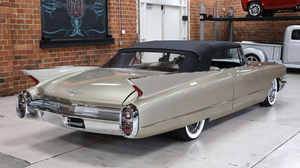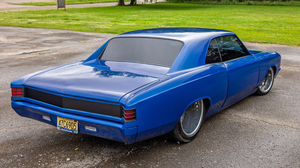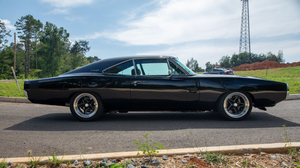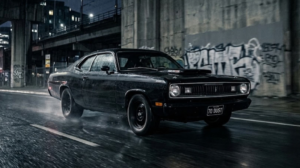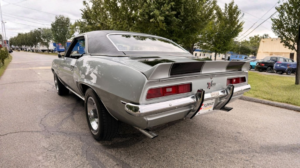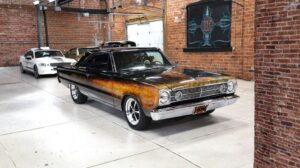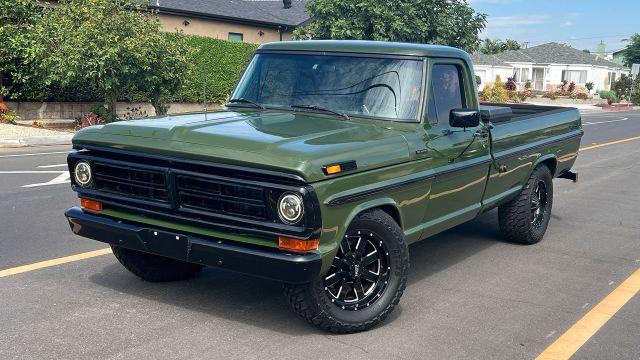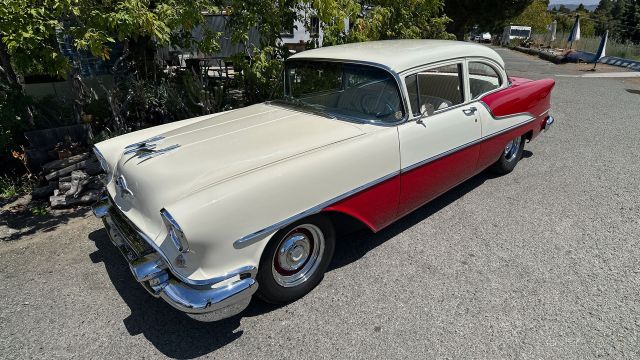
There she sat, rusting and rotting beneath the old oak tree in my hometown. The small-block, interior, and cowl induction hood of the ’70 Chevelle were long gone. The quarters, trunk and part of the floor were rotted out, but there was enough left to inspire dreams of bringing it back to life. At 15 years old, I summoned the courage to approach the door and the little old man who held the keys and title to my dream car.
He was happy I cared about the car he’d sworn he’d finish someday, and was shocked when I asked if I could buy it from him. He paused for a moment and asked me what I’d offer him. I told him I’d give him $3,500, which in the early 2000s was fair for a car in this condition. He laughed and invariably uttered the words that every gearhead will hear at some point in their life, “Do you know how much these sell for finished?! I know what my car’s worth.”
Here’s the deal: figuring out the value of a classic car isn’t as easy as checking the Blue Book on it. What’s even more frustrating is that two very similar cars can sell for widely different prices. Many are gobsmacked and downright pissed off when their prized possession doesn’t bring the type of numbers that they thought it would. But it’s the buyers and sellers who understand why that is, who find the best deals and make the smartest moves. Or the ones who know who to ask.
Luckily, the team at BuyTheCar.com are professionals and the best in the business. Rest easy knowing you’re never alone when you work with one of our team members. Acting as your personal liaison, they’re going to work with you to set the best reserve price and make that sell. Because they’ve spent years in this racket, they know the rules of the game and today, we’re sharing them with you.
Rules of The Game:
The market is your friend, but research is your best friend.
Classic car value is defined by many things (which we’re going to cover below), and there’s only one place to learn what the value is, and that’s the market, and knowing what to research. Remember, asking price is hope, sold price is the truth.
Here are a couple of tips:
- Look for similar build types.
- Research mileage
- Compare condition
- Originality and level of restoration
Condition is King
Your car guru, BC Barlow, says, “When we’re honest with our own cars, only then can we be honest with others.” Understanding the condition of the car you’re buying or selling has the single largest impact on your pocketbook. Let’s take a look at the most commonly used condition levels and whether your car meets the mark.
- Concours: To qualify for this status, you need to have a car that almost never sees the road or is parked in a museum. These vehicles aren’t just restored like new; their quality exceeds all levels of work that could have ever come off the assembly line. No flaws in the paint, perfectly aligned panels, with only the best parts and craftsmanship used to restore this vehicle. Never driven, only wiped with a diaper.
- Excellent: Most recently restored vehicles that often win local awards fall into this category. The flaws are so minor that 90% of the population who stop to take a look won’t notice any issues.
- Good or Driver Quality: “10 footers” fall into this category, and so does the vast majority of classic cars for sale. Which is a good thing, because we’re a fan of driving your car! And a good or driver-quality car designates a car you can trust to hit the road and still look good doing it. Yeah, she has flaws and battle scars some people will notice, but that’s because she’s lived, man!
- Fair: Here’s where lines can blur. A fair car is much different than a “good” car. While a good car may be a restoration that’s got some miles on her, a fair car has problems that pretty much anyone and their dog could point out. Your paint is faded, your dash is cracked, those seats have seen better days, and sure, she runs, but who knows for how long. That’s a fair car. We love ‘em, we appreciate ‘em, but please, for the love of all that is holy, don’t try to oversell ‘em.
- Project: Most likely, you’re not driving this car from its former resting place. So come with a trailer and a buddy willing to help you dig it out of whatever it’s been sitting in for the past decade. These types of cars are in dire need of replacement parts, like drivetrains, wheels, tires, brakes, suspension, and body panels, before they can see the road again. They may need a complete “frame off” or be in the process of a restoration, but these cars aren’t fair until a fair amount of cash has been invested.
Understand Your Niche
There was a time when purists dominated the landscape. A bone stock, numbers-matching car was the pinnacle of collectability and brought the most dollars. But, as life does, the landscape inevitably changed. The rise of the restomod sent shock waves through the collector world when LS swapped muscle cars started bringing six figures as well. Understanding your niche and where your classic car fits in the vintage world is critical to its appraisal.
Rarity is great…most of the time.
Novelty and desirability are not the same thing. It’s not uncommon to see an extremely rare but low-desirability car sold for less than a more common car that’s lusted after by most people. But when you can combine rarity and desirability, that’s when you have a winner on your hands. Here are a few things that can help create that special combo:
- Limited production runs: Imagine the ‘70 Hemi Plymouth Cuda convertible. First of all, it’s a ‘Cuda! Everyone loves the Cuda. Drop the top, and the price goes up. Now stuff the Hemi under the hood, and you’ve got a dream machine. Now, include the fact that only 14 of these cars were ever built, and you’ve done it. There is no better example of rarity and desirability out there. Case closed, moving on.
- Performance Options: There are Chevelles, and then there’s the King of the Muscle Cars, LS6 SS Chevelle. Yes, it’s rare, but not as rare as the Hemi Cuda. But everyone has a story about the one guy who had the LS6 and was untouchable. You could order the Chevelle in several packages. 307, 350, 396, and the LS5 or LS6 454 big block. The SS Chevelle rocked a suspension and transmission (all hail the Rock Crusher) to handle the brutal power of the LS6 motor. And because it was so loved, it’s highly desired. More ponies from the factory often land more pennies in your pocket.
- Unique Factory Options: Perhaps your vehicle has something no one has ever seen; that’s great for value. Take the ‘68 GTO and bolt on a chrome front bumper. Most would decry it as a Lemans with the GTO badge, but they could be oh-so-wrong. A little-known option was available to delete the “Endura” bumper in favor of the chrome steel bumper. It brings a cool factor that many collectors love. It’s bragging rights at the show, it sets them apart, and it’s a damn cool story that increases the value of your ride.
Documentation Eliminates Doubts
Nothing can kill a deal quicker than doubt. And the only way to overcome doubt and get some cold, hard cash is to have some cold, hard facts backed with ample evidence. If you can get your hands on a build sheet, god bless ya because you not only improved the value of your car but also confirmed exactly what it was when it rolled off the assembly line. Numbers matching is also a surefire way to up the numbers in this game.
Market Timing
Just as in real estate, the classic car market also moves in cycles. In the crash of ‘09, classic cars were being let go of for half their value to keep people afloat, whereas in the post-COVID era, we saw a rush of people scooping up dream cars with that extra cash in their accounts. Or consider that for years, the mecca of car collecting was the 1964 – 1972 muscle car era, but now, younger buyers are making cars from the 80s and 90s hotter than hell.
The X-Factor: Emotions
If we’re being honest with each other, then we have to acknowledge that we’re not into classic cars because we see them only as investments. Nah, we’re into cars because we love them. So it would be foolish to dismiss, perhaps, the one factor that drives our market more than any other: emotions. Passion isn’t bred from logic. It comes from deep within. So when you set your sights on a car, that feeling in your heart and gut, that need to satisfy the craving, grows stronger. But you have to find a way to regulate it at the moment. Because a person having flashbacks to their high school car might overpay. Or a kid that just inherited a car might practically give it away. It may not follow the comps, but it most certainly affects the value.
So next time someone asks, “What’s it worth?” The answer might simply be, whatever someone is willing to pay for it. But that’s not the smartest move, and it can often land you in hot water. So remember, Study sold comps, not listings. Be honest about the condition. Understand your niche. Use the right platform at the right time.
Do that, and you’re not guessing anymore. You’re playing the game correctly.