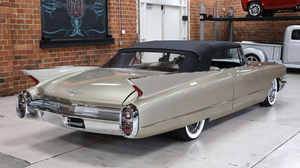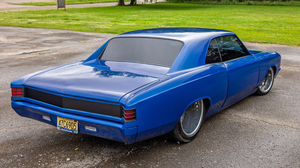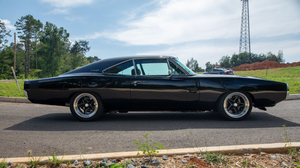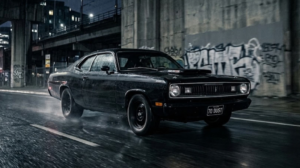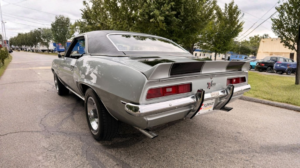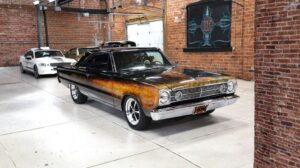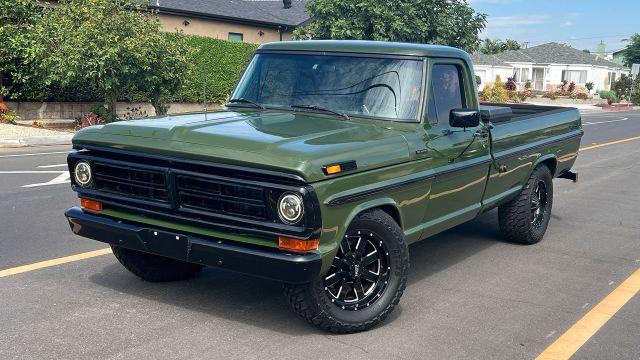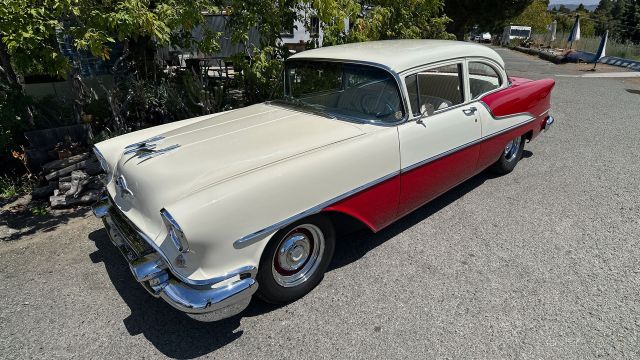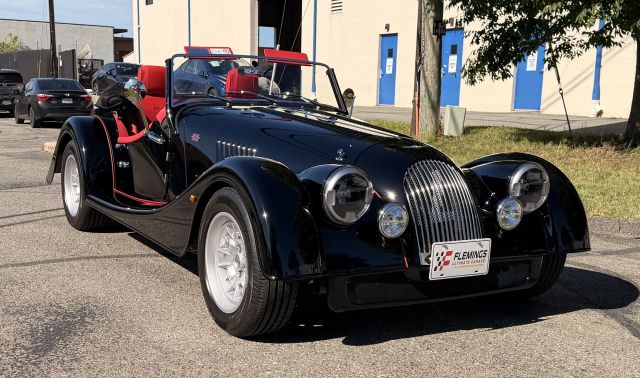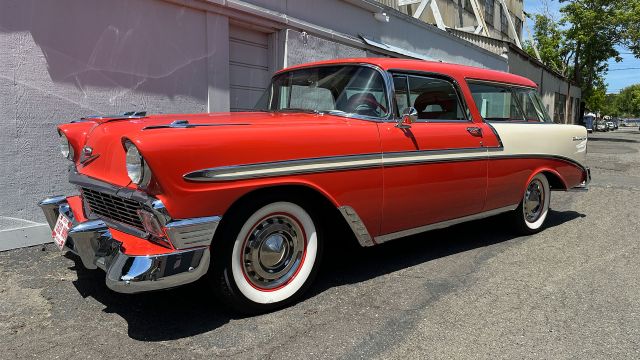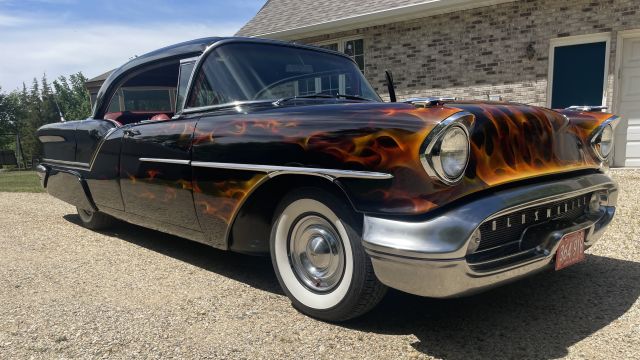
$7,900,000,000 is a lot of dough, and that’s what the restomod market is currently valued at worldwide. But what if I told you that this number isn’t only going to grow; it’ll skyrocket to nearly $14,400,000,000 over the next decade? This isn’t a trend driven by social media gurus, but by the modern-day hotrodder with one goal in mind for their ride: drivability.
For decades, the markets catered to and favored the restored community. Numbers matching brought in the type of money that would make your head spin. We loved seeing stock motors, stock interiors, stock tires, stock everything. But these classic cars were then stabled, only driven in perfect weather, if they weren’t destined to become trailer queens. While boomers and Gen Z were building time machines to resurrect the past, a new generation emerged and threw a wrench into their retirement plans. Millennials and Gen Z are the newest players in the classic-car game, and their demands are driving a major market shift. And this is why:
Less Anxiety, more reliability: Close your eyes and smile as you imagine yourself purchasing a completely restored, 1967 Chevrolet Camaro. The small block is singing, shifting gears with the sun shining as you drop the top and head out of town. In town and along the backroads, she’s a dream come true as she floats down the road, exactly as the gods of speed intended.
But that dream seems to burst like a balloon the moment you begin to merge onto the modern freeway. You power down the road with all the rattles of a stock interior, the whining of high RPM’s, and your sloppy steering in the left lane while praying the giant Suburban in front of you doesn’t suddenly drop anchor, leaving you to rely on the notoriously unreliable drum brakes to bring your beast to a sudden halt.
Your machine was built for an America that’s long gone. Our country has done nothing but speed up, and your sweet Chevy was meant for an era that wasn’t fueled by the caffeine-and-anxiety rush of modern society. So the restomod trend will gain traction because younger generations will refuse to pay five or six figures for a vehicle that can’t keep up, let alone one that spikes blood pressure every time you roll out of the garage. Millennials have seen some shit in our lives, and we need our hobby to add more anxiety to our lives about as much as we need another hole in our head. That’s why the restomod eliminates the performance fears. We need disc brakes, we love rack and pinion steering, and damn do we love the power and reliability of an LS swap, let alone the cooling relief of a functional AC system.
Have we been spoiled? Yep. Want to call me soft? Go ahead. But you can bet your ass, I’m gonna be spoiled by a reliable classic that can simply cruise, hit the corners hard, accelerate like a banshee, and arrive at my destination, running. And that’s where my cash is headed.
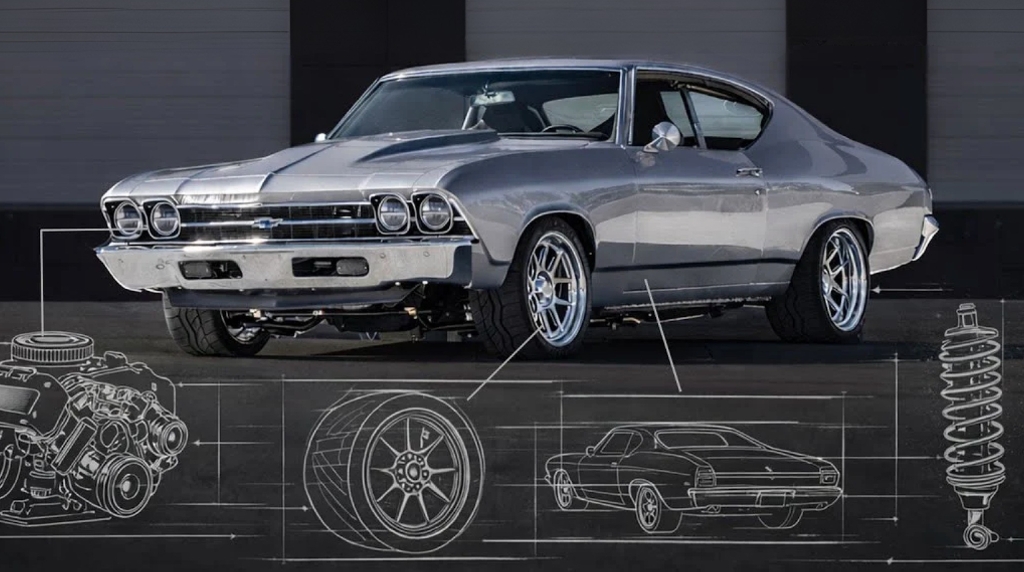
Soul instead of Software: For a generation that grew up with nothing but software and electronics being shoved down their throats, you’d be surprised to learn that we actually don’t want much of it in our classic car; we want just enough of it. Modern performance vehicles inundate everyone with massive screens, over-the-top driver-assist controls, and everything else imaginable, eliminating any sense of the analog experience. We want something that can create a mechanical emotion in us with vintage soul, analog grit, and modern performance.
And modern cars don’t do that anymore. We have electronic steering, or worse, self-driving cars, that eliminate the driving experience entirely. Exhaust notes are being altered by speakers and stereos to provide a more aggressive note. Dual-clutch systems shift within milliseconds and help launch these cars into sub-three-second 0-60 times, which is no doubt incredible. But they are pretty sterile machines when it comes to providing the type of experience most classic car enthusiasts crave.
That’s why we’re building and buying restomods that encapsulate the visceral experience of driving as a sport and not a simple form of transportation. In return, you get the sex appeal of a classic car, with the reliability of a high-performance, modern beast.
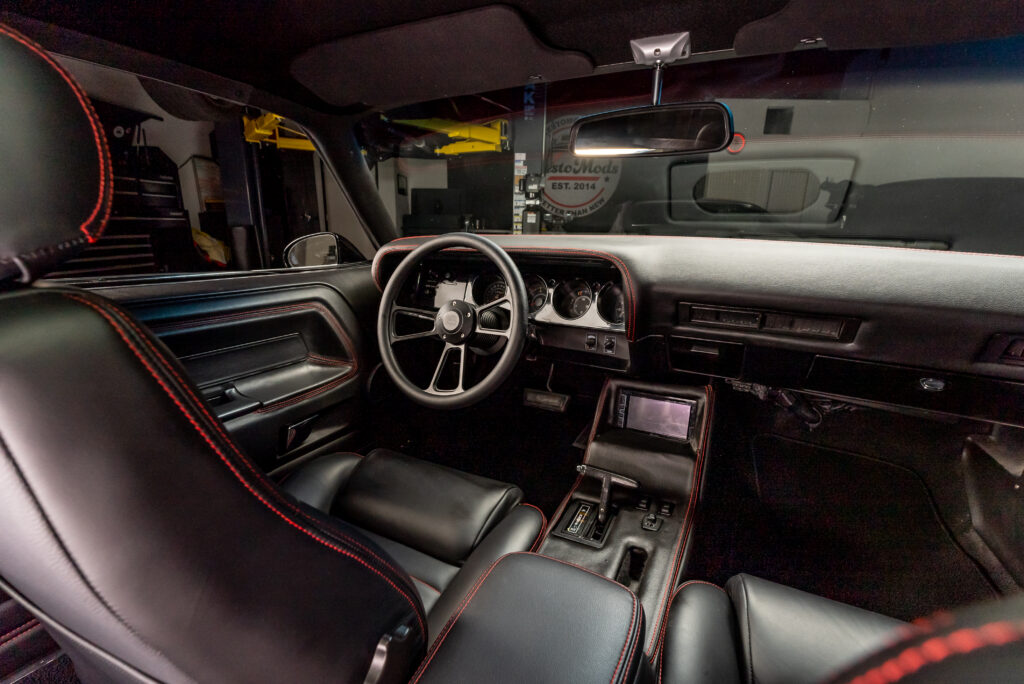
An Engineering Evolution: For roughly forty years after their glorious birth, muscle cars were hotrodded with really one goal or purpose in mind: to go fast as hell down a straight line. Which is cool because I love drag races. They are nostalgic and just a plain old good time. The problem was that modifications were typically the same. Bigger cubic inches, massive tires, and then some form of suspension upgrade like ladder bars or air shocks.
But just as evolution in the animal kingdom has produced fearsome predators and natural-born survivalists, the evolution of the automotive industry has produced cars that can do it all. So whether you’re running a straight line drag or tearing it up in the autocross, modern tech can provide all you need and more. Consider the suspensions of yesteryear, flimsy and now rusty. Their geometry was so far off it’s ridiculous. Today, you have companies producing precision-engineered suspension systems and frames that change everything about your driving experience for the better. And these brands continue to expand, providing more options for your build as the restomod market continues to grow in value.
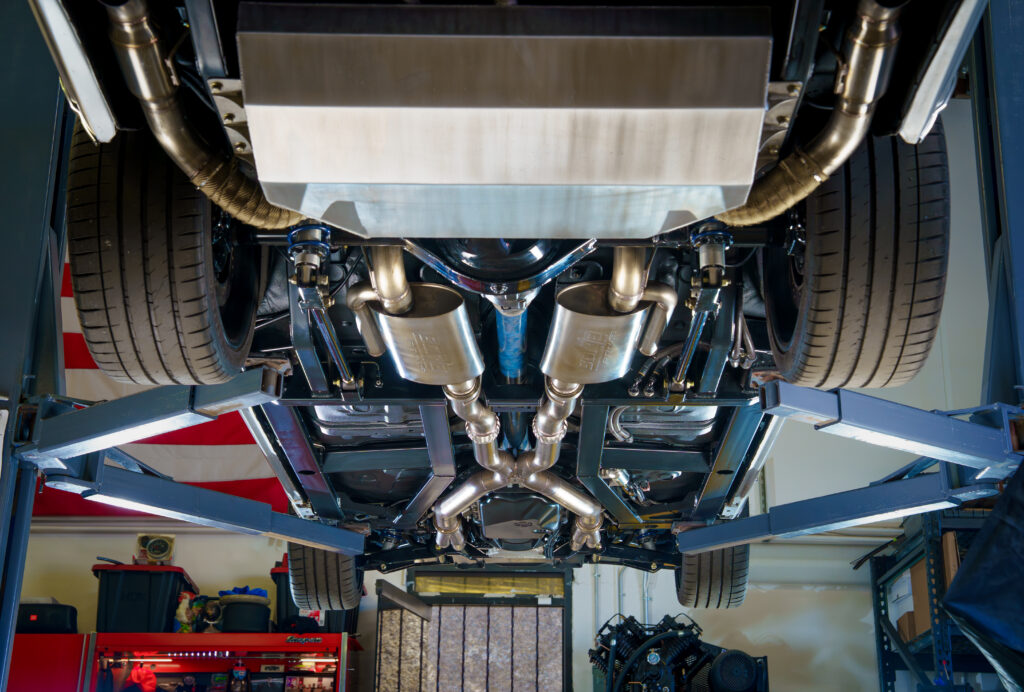
The Preservation Paradox: Finding original NOS parts has become more and more difficult in the last few years. The days of muscle cars for sale on street corners, parked next to homes or in the field, have quickly disappeared, and with them, original parts. Yes, there’s the option to buy an aftermarket part that looks original, but it’s not the same. Panels might never line up; stock-appearing seats lack the feel and quality of originals. It’s a frustrating endeavor for the purists, for sure.
Another idea we’re coming to terms with is that the people who know the odd ins and outs of rebuilding carburetors, vintage steering columns, and even drum brakes are quickly aging out of the workforce and hobby. It won’t be long before much of the once-common mechanical knowledge will disappear, except for a few specialists who can charge as much as they want to repair your ride.
While old-school grease monkeys are disappearing, the restomod market has created its own sustainable ecosystem, with custom fabrication options like 3D printing and performance aftermarket kits, ensuring we keep building and rebuilding classics. Because restomods don’t rely on scarce parts, customization is endless, parts are sustainable, and business will be even more scalable as this new sector continues to grow. In that way, a restomod build becomes a custom experience for the owner, who decides exactly what they want and how they want it to look.
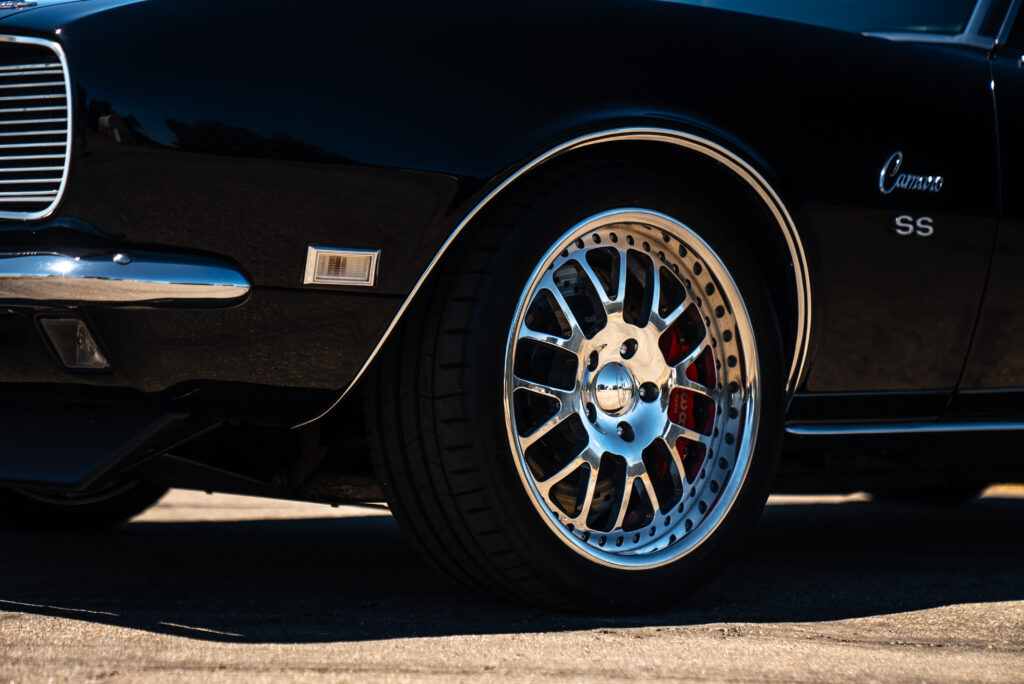
What does all of this really mean? It means what was once thought of as sacrilege is now becoming mainstream. Damn right it should be, because these cars were meant to be driven. To have people stare as you roll by, longing to experience something so amazing in their own lives. The growth of the restomod niche matters more than value alone; it means vintage steel is getting back where it belongs: on the road. The future isn’t static originality; it’s evolution, for the greater good. Whether your car runs an LS swap, electric motors, or dirty ol’ cooking grease, if you can build it and cruise it, you’re keeping them alive for the next decade and the next generation.