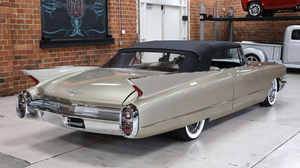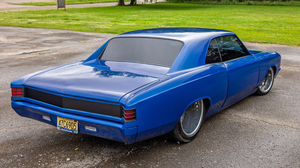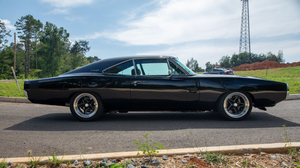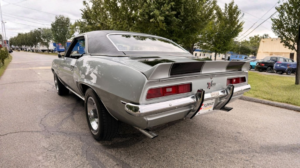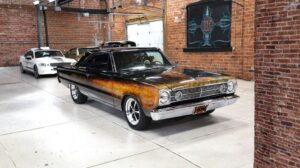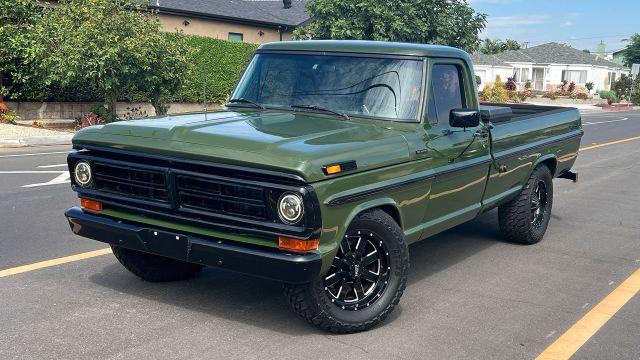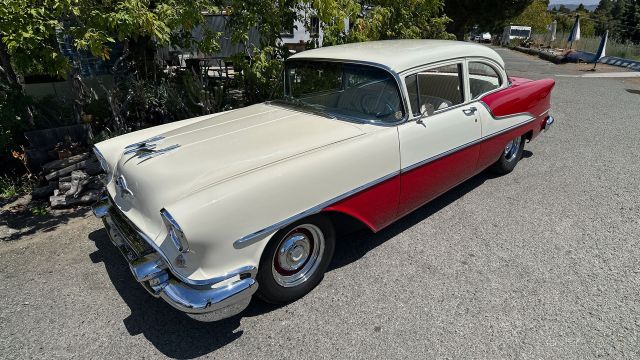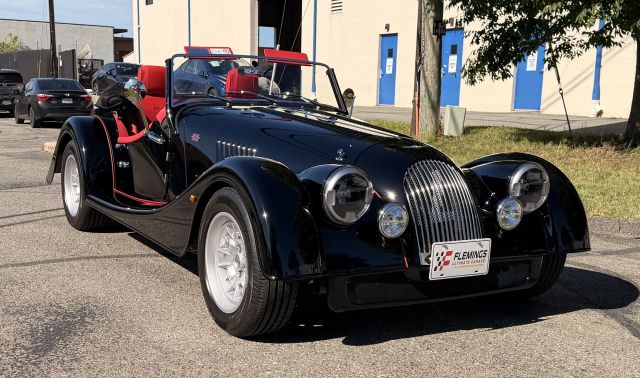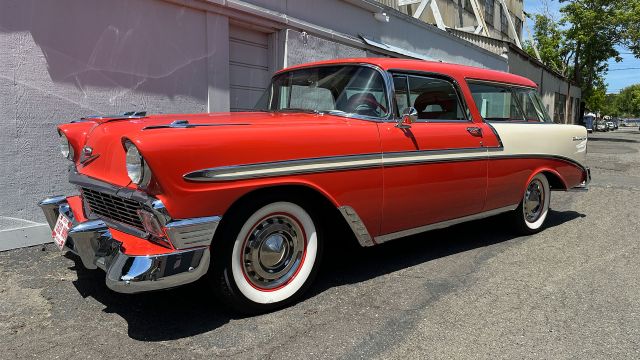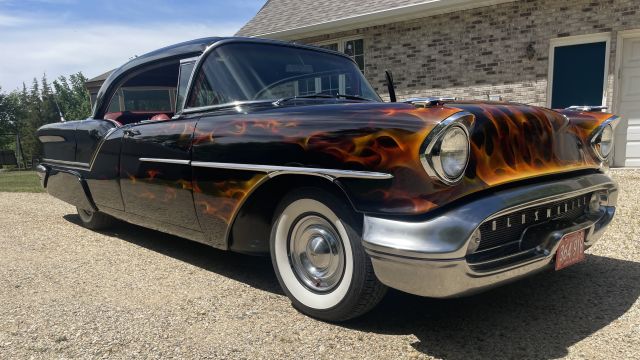
At the risk of sounding biased (okay, I’m totally biased), owning a RestoMod is one of the most fulfilling and adrenaline-inducing experiences a hot rodder can have. You better be prepared when you get behind the wheel of a rumblin’ restomod because it’ll feel a hell of a lot like your first hit of something very strong and definitely illegal. Be prepared to get hooked on the performance, reliability, and out-of-this-world comfort that stock classic cars just don’t have. In this modern world, most of us don’t have space or time to build a restomod from scratch, so let’s talk about buying one.
Now, I know you’re itchin’ to jump online and swoop up one of the mechanical marvels ASAP. Understandable, because here at BuytheCar.com (powered by RestoMods.com), we’re bringing the best the market has to offer straight to your screen, then park it in your garage. But before you pull the trigger on the next classic car that looks like it’s undergone the RestoMod treatment, make sure you follow this guide so your next car is a thrill, not a reason to kill the person you bought it from.
The Bones of your ride: Frame
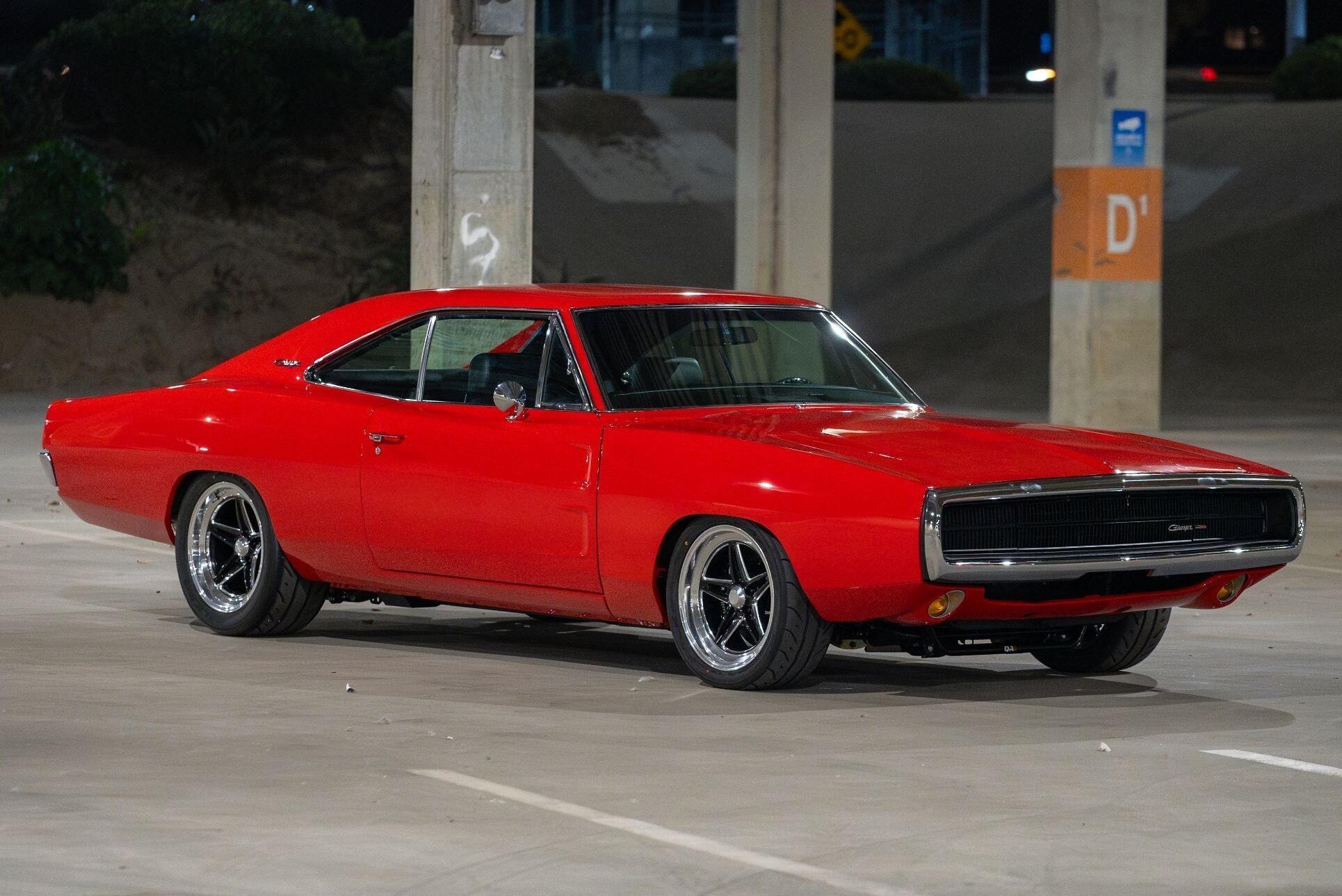
Original frames weren’t structurally engineered for the type of brutal punishment that the big blocks unleashed on them back in the day, let alone the power and performance of modern drivetrains. They were riddled with random holes, large gaps, and weak welds. And that’s if you had a full-frame car. Most GM F-bodies ran a subframe, while Mopars and Fords rode on uni-body chassis. Restomods.com Camaro giveaway, known as RM31, is the perfect example of how to take a flimsy stock setup and upgrade it perfectly.
- If it’s highly upgraded, we’re going to see an Art Morrison, Roadster Shop, or Speedtech performance frame tucked tightly beneath the car. These all-in-one kits are the ultimate upgrade for a performance vehicle.
- If the stock frame still resides where it has for half a century, don’t fret; there are plenty of upgrades to bring it into the new age. A high-quality listing will include as many photos as possible of the build; look for frames that have been removed, all rust or holes repaired, strengthened by being boxed and welded, and then powder-coated so you can judge the longevity of your investment.
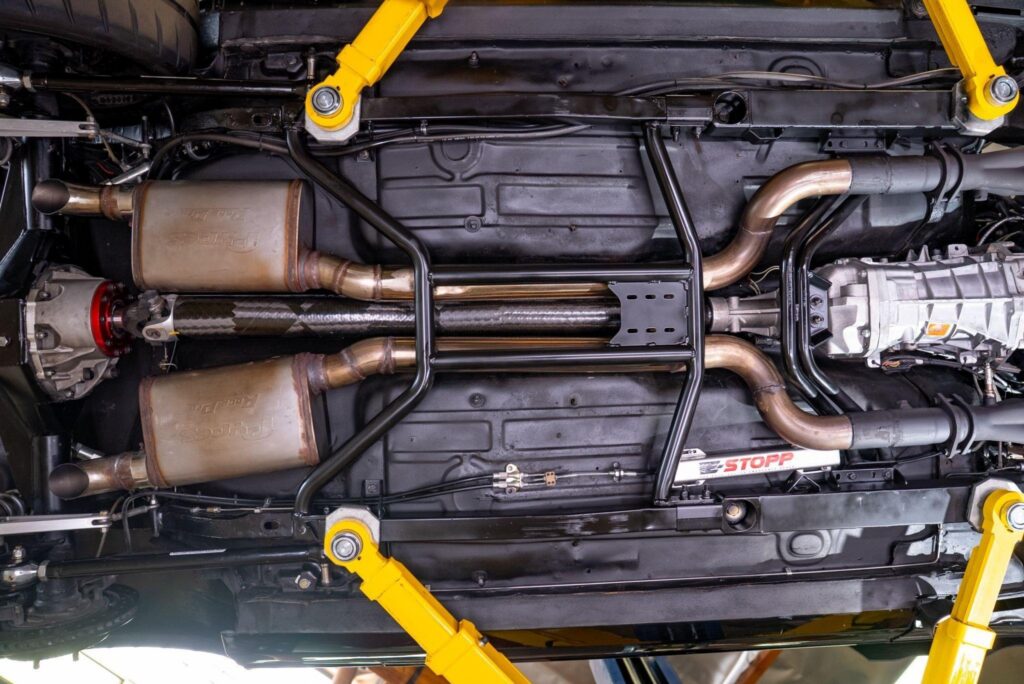
- A vehicle that has been upgraded with the proper restomod treatment but running a stock frame will definitely have subframe connectors and additional connectors throughout the underside to help minimize frame flex when you dump the clutch and let those ponies loose.
- Insider tip: check out your panel alignment. While not always a symptom of a weak undercarriage, cars with misaligned panels often suffer from structural issues. In a listing, panel fit can tell you a lot about what to look into next.
A Functional Foundation: Steering, Suspension & Brakes
Classic cars rode on heavily sprung steel coil springs and very soft shocks that would bounce you to the moon and back. But it was the drum brakes that could turn an atheist into a real quick true believer the first time you slide through a red light. They may have done the job fifty years ago, but if you’ve got canyon carving intentions or just want to arrive alive and without motion sickness, then the car’s foundation needs a careful inspection.
- A true restomod is going to ditch those shocks and springs for a plethora of options. What we want to see is upgraded performance. We’re looking for air-ride suspension or coilover springs at all four corners, preferably adjustable ones to dial your ride in perfectly.
- Those heavy stamped-steel control arms need to be long gone, replaced by tubular control arms. These are going to dial in your geometry for better handling and steering.
- Leaf springs can be found in all of the Big 3 muscle cars, and they have got to go! Wheelhop is our sworn enemy, but luckily, we have 4-link rear suspensions or even better, independent rear suspensions that will plant your ass to the pavement and the driver’s seat.
- What good are all these suspension goodies without dialing in your steering? Sure, some of these cars can have a tighter gearbox that mounts to the frame. But why, when you can have precision steering from a rack-and-pinion setup?
- Body roll is also another of our enemies, and the best way to rid yourself of this curse is to mount heavy-duty sway bars, front and rear.
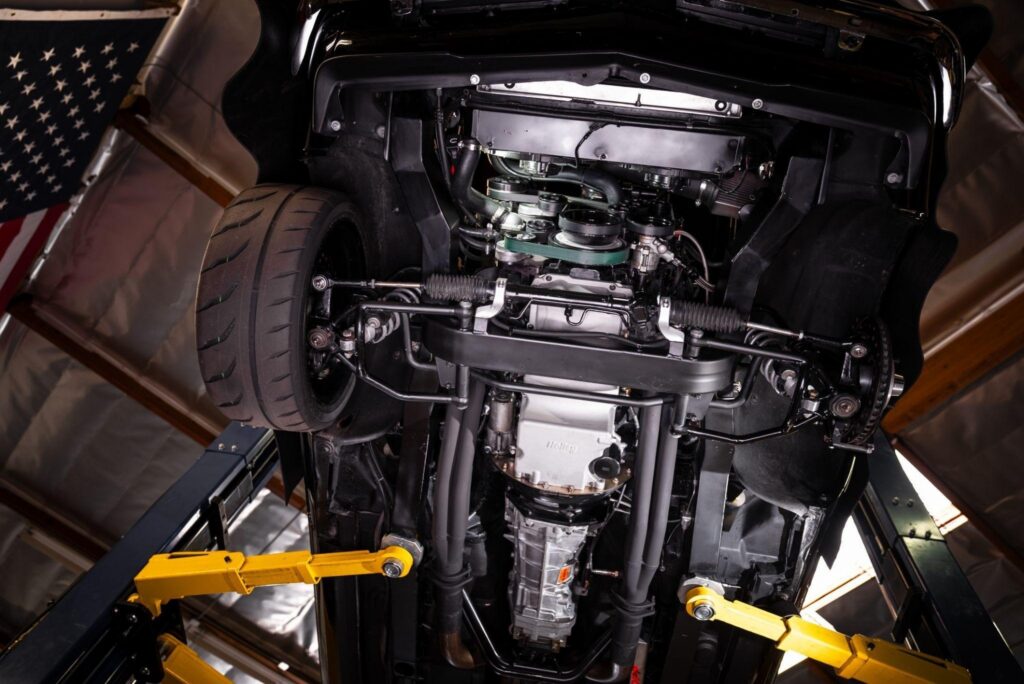
- Hell yeah we wanna go fast, but getting home alive and well is a pretty crucial component to hot rodding. So the brakes better be upgraded, starting with something often overlooked: brake lines. They need to be tight to the frame, heat shield covers where needed, and properly bent with no leaks.
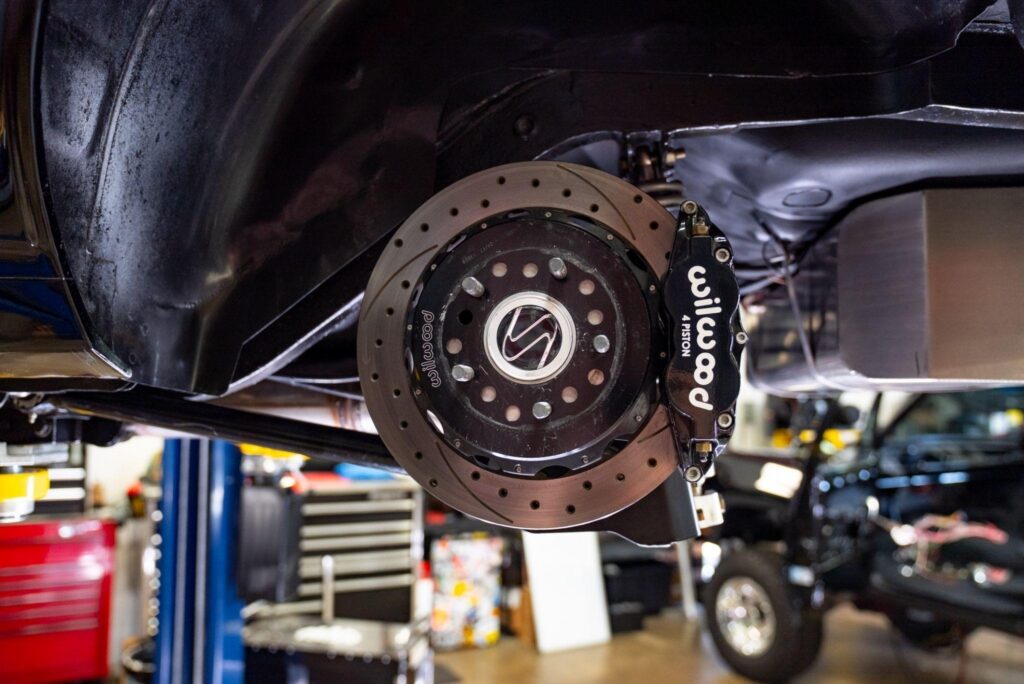
- Next, we’re ditching drum brakes completely and sending them to the scrap yard because we now run disc brakes. And better yet, we want them big! The bigger, the better. And we want ‘em slotted, drilled, and just plain beautiful.
- Your brake booster needs some power to firm up the pedal, and your master cylinder should be upgraded.
- Say it with me: “Stance, stance, stance!” That restomod needs to crouch like a tiger about to kill its prey. Low, sleek and menacing.
A lil’ Spark: Electrical System
When we think of safety in hot rodding, we often think of brakes, steering, and suspension. But one area that’s often overlooked is wiring. A clean, reliable electrical system is essential to upgrading your restomod, or else your dreams and investment might just go up in smoke… and flames. That’s why buyers should pay close attention to it.
- If you see a stock harness with a splice, then it’s no dice. If you crawl under the dash and catch a glimpse of a fuse box full of glass and rust that looks older than most of our senators or congressmen, it’s a no-go. You need to see an upgraded box with ATC/ATO fuses. And the box will preferably accommodate more high-output goodies, like EFI or power windows.
- Properly loomed, labeled, and protected wires, typically run discreetly in the fender wells, are another sure-fire sign of a high-quality build.
- EFI is the future of cars, so be sure to take note of wiring running across the top of the motor and how clean and organized it is. The cleaner the wiring, the better the build.
The heart of your beast: The drivetrain
This is the part that always leaves me salivating over a build, and that’s what’s between those fender wheels. Just like a fighter needs heart to ever be champion, so does your next restomod. That doesn’t mean you need four-digit horsepower numbers, massive turbos, or even an LS swap, but you do need something reliable and just downright fun. Enough power to get you in trouble, as I always say.
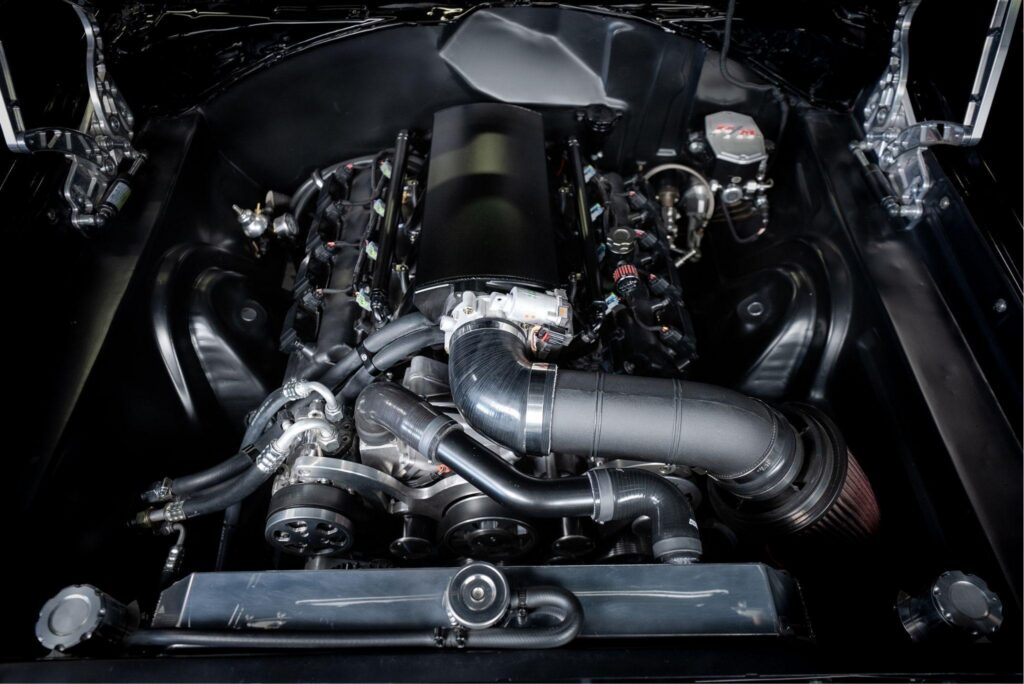
- LS swaps dominate the world right now. They’re light with ridiculous amounts of power and reliable as hell. But depending on your car’s flavor, you might find a Coyote or a Hemi hiding under the hood. Hell, you might find a big-block Chevy or a Pontiac 400. As long as it’s updated, then we’re happy, but we do want to see upgrades. Does it rock EFI? Are there updated accessories? If the answer is yes, then that’s a good power plant.
- Loads of power means nothing if you can’t keep it cool. What’s the point of upgrading your powerplant if your cooling system is weak or old? We want aluminum in the engine bay, and frankly, it’s 2026 when we’re electrifying everything, so we might as well run an electric fan as well. Buyers should make sure the cooling setup matches the build.
- Vintage drive belts were unreliable and tossed so often people used to keep spares in the trunk. In today’s world, an upgraded accessory unit will most likely run a V-belt, keeping everything tight and beautiful.
- That belt should be gripping an updated alternator, aluminum water pump, power steering (if you’re running power), and of course, A/C.
- Let’s talk A/C; there are so many reliable kits today that it really doesn’t make sense not to have one. And with modern motors, you can let go of worrying about losing 5-7 horsepower.
- Any and all plumbing should be neatly run. Hoses are tightened and tucked properly so they amplify the engine bay rather than distract from the craftsmanship.
Creature Comforts: A Clean Interior
When it comes down to it, we need something that’s just exciting to get into as it is to look at. I’ll be the first to admit, when I climb into a classic car, my heart races. Even if it has springy vinyl seats, bad carpet, and a drooping headliner. But then there’s the sensation of climbing into the well-built interior of your restomod. It’s all about that well done fit and finish.
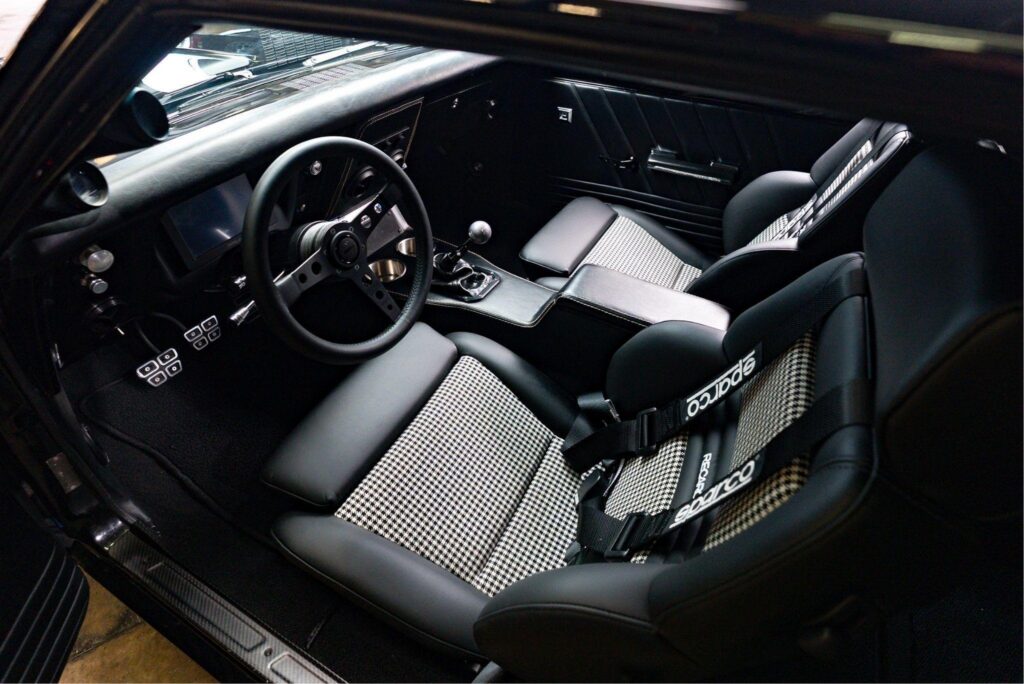
The interior needs to match the build aesthetic. So this section isn’t as hardlined as the other areas we’ve covered. But it doesn’t need the following:
- Upgraded seats are preferred. The springs in the old vinyl seats are not only going to lack support for your lower back, but most importantly, they aren’t going to hold you tight as you tear through the corners. Look for some lumbar and wider edges to keep your butt snug.
- There are a plethora of upgrades available for your dash and hot-rod needs. All we want to know is: has that dash been removed, are there a new set of updated gauges that are accurate, and is the speedo not bouncing on you?
- An interior can go from mild to wild really quick with design. Whatever floats your boat and fits your aesthetic is great; just make sure it’s tailored tightly. Fit and finish is what we want to see here.
Straight Lines for Straightaways: A properly flushed body
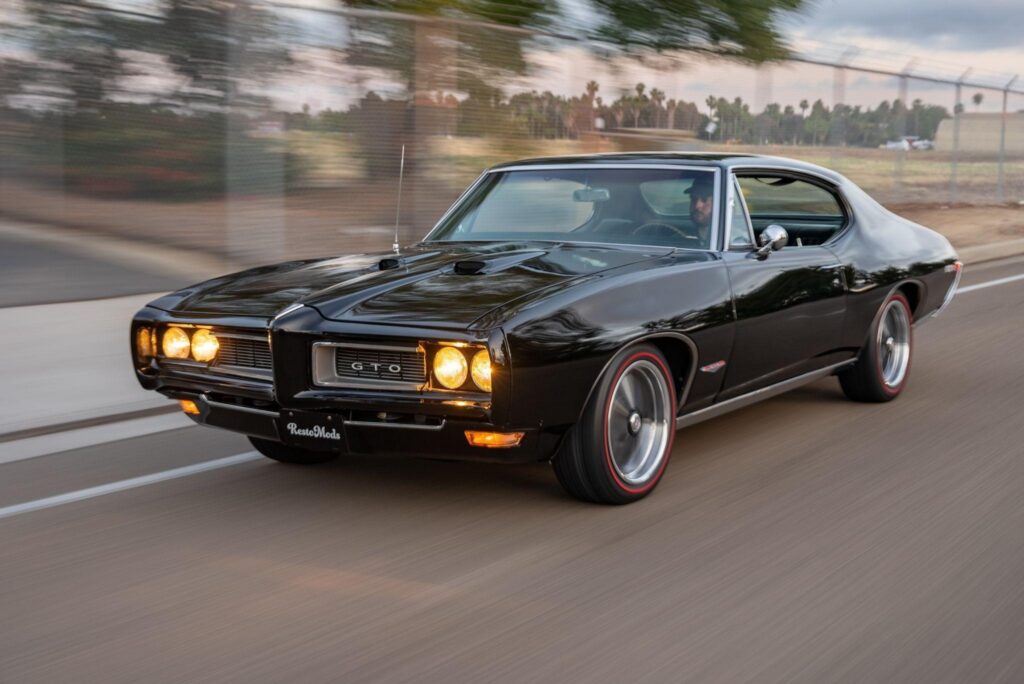
At the end of the day, beauty is in the eye of the beholder. When it comes to body, that’s going to be up to you. There are countless examples of incredible machines beautifully hidden beneath a badass patina. Or perhaps you prefer a cleaner look and want paint so deep you can swim in it. What we want to know is: is it done correctly? Is that patina sealed, or is at least the structural rust or rot completely removed? Is that gorgeous paint job laid over body panels that are meticulously installed, shaped, and smoothed? We want to see craftsmanship and care. That’s how we know it’s a good buy.
So when you’re cruising BuyTheCar.com for your restomod, keep these facts in mind. There are so many incredible builders out there, true artists, that are taking something special and making it better. And we hope you get your hands on one and then tear up a highway waiting for you.